

black bathroom mirror
How to Change a Main Water Valve Changing a main water valve may seem like a daunting task, but with the right tools and instructions, it can be accomplished by a homeowner with basic plumbing knowledge. The main water valve is essential for controlling the water supply to your entire house, making it crucial to ensure it is functioning properly. Here’s a step-by-step guide on how to change your main water valve safely and effectively. Tools and Materials Needed Before starting the process, ensure you have the following tools and materials 1. Pipe Wrench For loosening and tightening connections. 2. Adjustable Wrench Useful for securing fittings. 3. Screwdrivers Both flathead and Phillips for any screws present. 4. Teflon Tape For sealing threaded connections. 5. Basin Wrench If the valve is in a tight location. 6. Replacement Valve Ensure you have the correct size and type based on your current valve. 7. Bucket To catch any residual water when you remove the old valve. 8. Safety Goggles and Gloves For protection during the process. Step 1 Locate the Main Water Valve The first step is to locate your main water valve. It is typically found near where the water line enters your home, often in the basement, crawl space, or on an exterior wall. The valve may look like a round wheel or a lever. Familiarizing yourself with its location is important, as you will need to turn it off before replacing it. Step 2 Turn Off the Water Supply Once you’ve found the valve, turn it off by rotating it clockwise. If it’s a lever valve, simply turn the lever perpendicular to the piping. This action will stop the flow of water into your home. To verify that the water is off, turn on a faucet in the house and ensure that there is no water flow. Step 3 Drain the Pipes After shutting off the main water valve, it’s necessary to drain any remaining water from the pipes. Open the lowest faucet in your home to allow air into the system, which will help drain the remaining water out. Placing a bucket underneath the valve can help catch any water that spills during the removal process. how to change main water valve Step 4 Remove the Old Valve Using the pipe wrench, begin loosening the nuts that secure the main water valve to the pipes. If the valve is rusty or stuck, you may need to apply penetrating oil and allow it to sit for a while before attempting to loosen it again. Be careful to hold the pipe securely to avoid damaging it. Once the nuts are loosened, remove the old valve completely. Step 5 Install the New Valve Before installing the new valve, wrap the threaded ends of the pipe with Teflon tape. This will help create a watertight seal and prevent leaks. Next, position the new valve in place and hand-tighten the nuts to secure it. After ensuring it's correctly aligned, use the adjustable wrench to further tighten the connection. Be cautious not to overtighten, as this can damage the valve or pipes. Step 6 Turn the Water Supply Back On Once the new valve is securely in place, return to the main water valve and turn it back on by rotating it counterclockwise or moving the lever back to its original position. After turning it on, check for leaks around the new valve and the connections. If you notice any leaking, you may need to tighten the connections slightly. Step 7 Test the System With the new valve installed and no leaks detected, test the system by turning on several faucets throughout your home. This will help you ensure that the water is flowing correctly and that there are no air pockets. If the water pressure is inconsistent or if you note any issues, you may need to further troubleshoot your plumbing system. Conclusion Changing a main water valve can be a straightforward task if you approach it methodically and with the right tools. Regular maintenance of your plumbing system, including the main water valve, can prevent significant issues down the line. If at any point you feel unsure or encounter difficulties, consider consulting a professional plumber to ensure the work is completed safely and effectively. Remember, taking proactive steps can save you time and money in the long run.
about
black bathroom mirror
Understanding the Importance of DN50 Filters in Industrial Applications In the realm of industrial processes, the efficiency and reliability of fluid systems are paramount. One crucial component that ensures optimal performance is the filter, particularly the DN50 filter. In this article, we will explore the significance of DN50 filters, their construction, benefits, and applications across various sectors. What is DN50? DN50 refers to the nominal diameter of a pipe or fitting, specifically 50 millimeters. Filters designed for DN50 pipes play a vital role in maintaining the quality and integrity of fluids within a system. These filters are engineered to remove particles, debris, and contaminants from liquids and gases, preventing damage to machinery and ensuring smooth operations. Construction and Types of DN50 Filters DN50 filters can be constructed from various materials, including stainless steel, plastic, or fiberglass, depending on the application requirements. The design of these filters can vary, with common types including basket filters, cartridge filters, and mesh filters. Each type has its specific advantages; for instance - Basket Filters are typically used in larger flow applications, providing a large surface area for filtration. They are easy to clean and maintain. - Cartridge Filters offer a compact design, effective in removing fine particles from fluid streams. Their disposable nature makes them convenient for industries requiring regular maintenance. - Mesh Filters are excellent for coarse filtration, ideal for applications where larger particles need to be captured without hindering flow rates. Benefits of DN50 Filters The advantages of implementing DN50 filters in industrial systems are numerous 1. Protection of Equipment By removing contaminants from the fluid, DN50 filters protect pumps, valves, and other downstream equipment from wear and failures. This extends the life of machinery and reduces maintenance costs. filter dn50 2. Improved Efficiency Clean fluids result in better efficiency in processes. Unfiltered impurities can lead to blockages or reduced flow rates, negatively impacting productivity. 3. Enhanced Product Quality In industries such as food and beverage, pharmaceuticals, and chemicals, the purity of fluids is crucial. DN50 filters ensure that unwanted particles do not compromise product quality. 4. Customization DN50 filters can be tailored to meet specific operational requirements, including varying flow rates and particle sizes, making them versatile for diverse applications. Applications of DN50 Filters DN50 filters find applications across multiple industries, including - Water Treatment They help in purifying water by removing sediments and impurities before further processing. - Oil and Gas In upstream and downstream operations, DN50 filters are essential in managing filtration needs to ensure the integrity of the final products. - Food and Beverage Maintaining the cleanliness of liquids during processing is crucial for compliance with health regulations. - Manufacturing In various manufacturing processes, DN50 filters prevent contamination, ensuring the efficiency of production lines. In conclusion, DN50 filters are vital components in maintaining fluid integrity across various industrial applications. Their ability to protect equipment, enhance efficiency, and improve product quality makes them indispensable in ensuring smooth operations in fluid systems. As industries continue to evolve, the reliance on effective filtration solutions like the DN50 filter will only grow.
-

High quality industrial productsagement

High quality industrial products
View Details -

Meet the diverse needs of customers

Meet the diverse needs of customers
View Details -

Strict quality control

Strict quality control
View Details -

Top raw materials

Top raw materials
View Details -

Trusted supplier

Trusted supplier
View Details
Our application



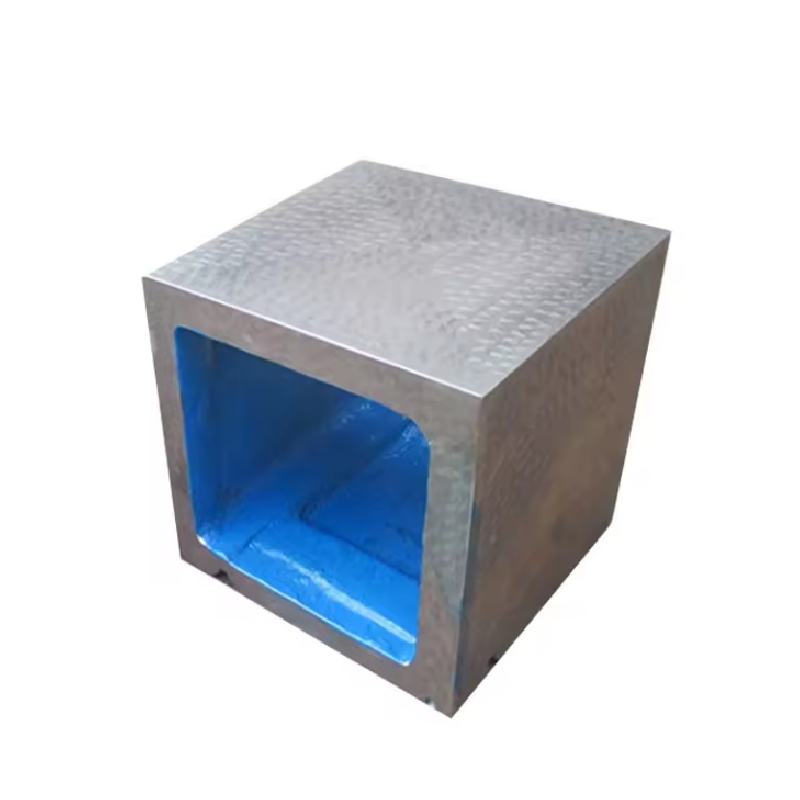
news and information
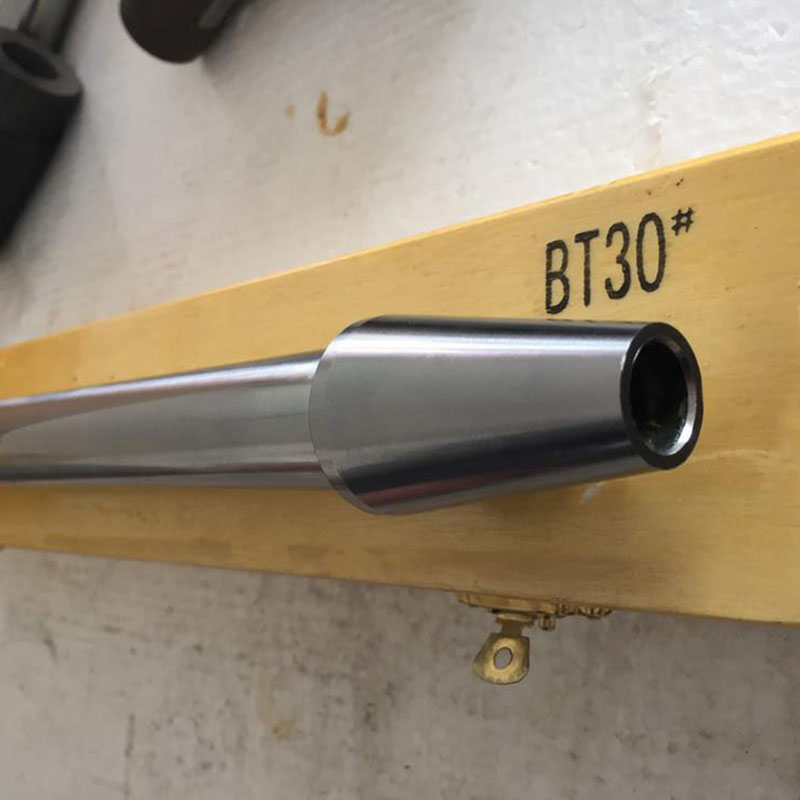
Y Type Strainer Cost and Pricing Analysis for Industrial Applications
Understanding the Pricing of Y-Type Strainers When it comes to maintaining the efficiency and longev

Versatile Welding Table for Efficient Workbench Solutions
The Importance of Welding Tables in Workshop Design Welding is an essential skill in various industr
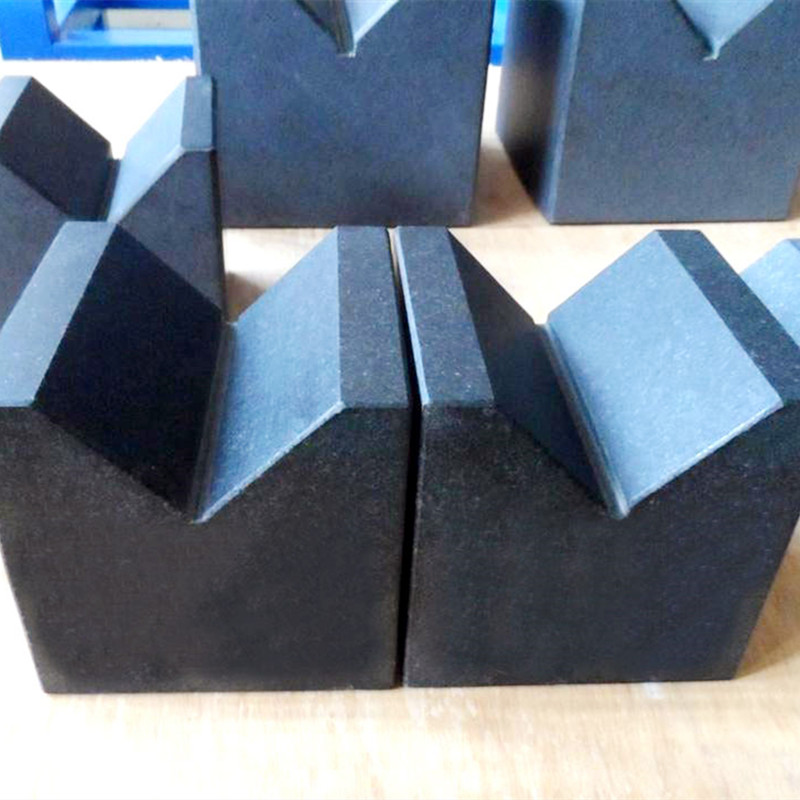
Vanne papillon 15 mm - Performances et applications
La vanne papillon de 15 mm est un élément essentiel dans le domaine de la régulation des fluides. Gr
 English